

The Safe Landing position on electric Vertical Take-Off & Landing (eVTOL) aircraft:
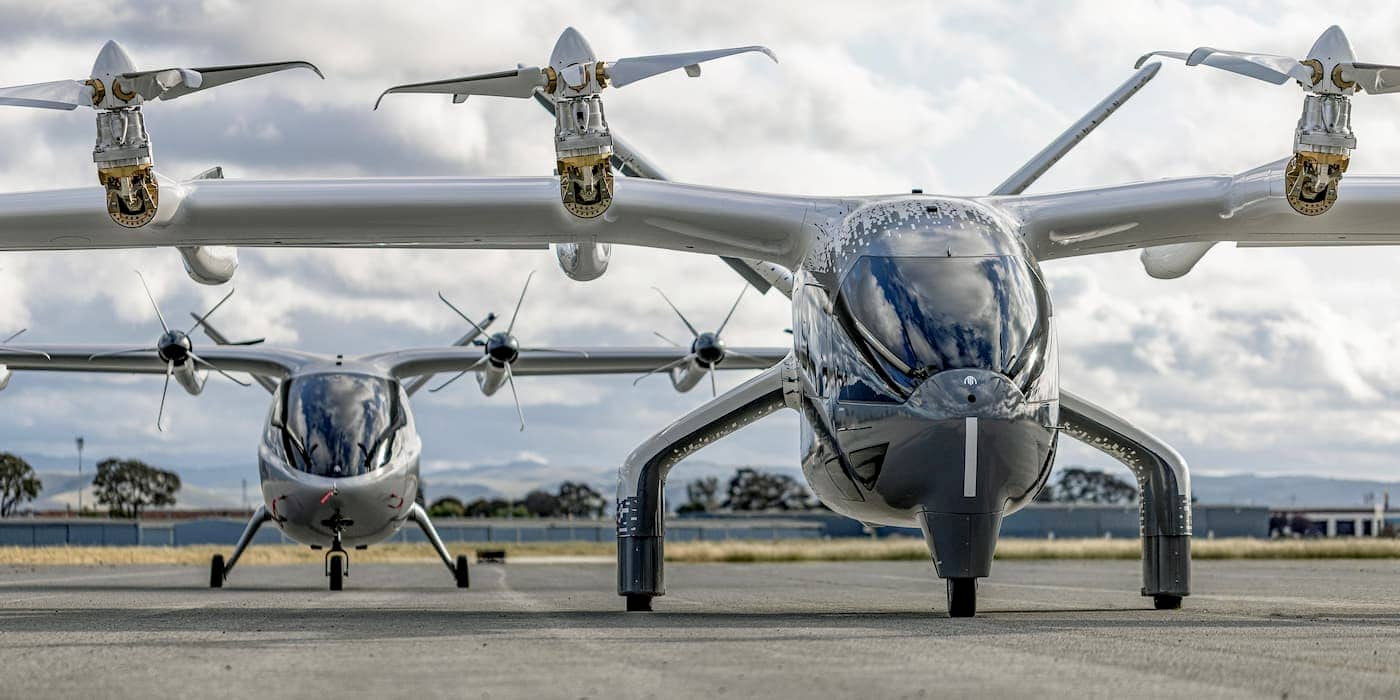
There’s a lot of hype around eVTOL, a class of electrically-powered aircraft which can take-off and land vertically. This enables their use on short runways or helicopter-style pads, away from conventional runways.
It’s hard not to be sucked into the futuristic allure of the various shiny, sophisticated looking concepts which often combine features of helicopters, remote-controlled drones and fixed-wing aircraft.
However, it’s clear in our minds that decarbonisation isn’t solely about electrification (although this is important), but also about USING LESS ENERGY overall.
Reducing Energy Demand
For instance, within the road transport sector, we need to simultaneously:
1. Replace as many combustion engine vehicles with Electric Vehicles (EVs) as possible.
2. Reduce total road miles and total vehicles on the road (and the size of those vehicles).
The latter will help minimise the energy required for vehicle production and to charge vehicles during operation. If we minimise energy consumption — we reduce fossil fuel use. This is because we’re many decades away from producing enough renewable electricity to match our energy demands (even after widespread electrification):

https://ourworldindata.org/grapher/global-energy-substitution
Efficiency
The problem with eVTOL is that it’s by far the most inefficient way to travel electrically. For instance vs. electric ground transport modes such as rail, coach or even car.
Where ground transport infrastructure isn’t adequate (road, rail) or where geography (mountains, water) gets in the way, flying in a fixed wing aircraft will always be more efficient. This is due to the more efficient take-off and landing operation, and better aerodynamics during cruise.
Limited Capability

We suspect the limited payload and range capabilities of eVTOL will confine them to very short trips only and they won’t contribute to effective decarbonisation of the major aviation markets. We also suspect they will rapidly discharge their batteries and cause a bit of a nightmare for battery life… which will again contribute to battery production emissions.
Zero Emissions?
Such aircraft are often labelled “zero emissions” as they don’t spew CO2 during operation. But lifecycle emissions of electric aircraft will remain relatively high over the medium-term. This is demonstrated here by Jayant Mukhopadhaya at the The International Council on Clean Transportation):

For this reason, we think the commentary around eVTOL ‘pioneering zero-emissions aviation’ is misleading (particularly when done in the context of accelerating access to a long-haul international airport).

Sensible Investment?
We also see a significant risk of huge losses for investors who have been pouring in billions of finance.
When it comes to pilot jobs, there’s also need for caution. As Gary Gysin, the CEO of Wisk, has stated that the only way to get ticket prices down, is to eliminate the pilot and fly autonomously: “The rest of the industry will have to go to self-flying to make money. It’ll be a money-losing proposition with pilots in aircraft.” So it’s not looking great for pilot jobs!
Improved Access to Air Travel?
On accessibility: a note about air taxis from Agency Partners during the Farnborough Air Show suggested to investors that they might succeed “in cities which have a small wealthy population who are fearful of a much larger poor population (Sao Paolo for example, where helicopters are already widely used).” In our opinion, this sounds like air transport for the elite, not a mass transit solution. It doesn’t take an aerospace engineer to see that these aircraft won’t be cheap and affordable for those on low salaries.
The Aviation Worker Angle
As aviation workers, while eVTOL are undoubtedly cool and make for flashing imagery of a sci-fi future, we’d rather ‘sustainable aviation’ jobs were elsewhere. We’d much rather see private/public funding and the best aerospace engineering talents directed towards revolutionary fixed wing aircraft. These will actually compete with fossil fuel powered planes and make aviation genuinely more accessible.
Ultimately, sensible investment in sensible technology is more likely to lead to aviation markets that will provide sustainable careers as well as a sustainable planet.

What do you think?
If you’re an aviation worker please join us at www.safe-landing.org to take part in the discussion and follow us on: